ELYVATE WELLNESSPublic education center

CIRS RECOVERY + BRAIN HEALTH

When one illness touches many systems, recovery needs more than one prescription.

Explore how chronic inflammatory response syndrome (CIRS) is described within the Shoemaker framework: from symptom patterns and biological signals to brain-related barriers that can make a complex protocol difficult to carry out.

Follow the Biology → Brain → Behavior pathway to see why symptoms and follow-through are connected, and why recovery support must account for the whole person.
ExposureEnvironment
BiologySignals
BrainCapacity
BehaviorFollow-through

Your selections stay on this page. This site does not collect symptoms, diagnoses, laboratory results, medications, or identifying health information.

CLIENT MODEClear, compassionate education

Plain-language explanations connect symptoms, biology, brain capacity, and daily life without assuming a diagnosis.

01 / INTERACTIVE WHOLE-BODY EXPLORER

Thirty-seven symptoms can touch 13 interconnected systems

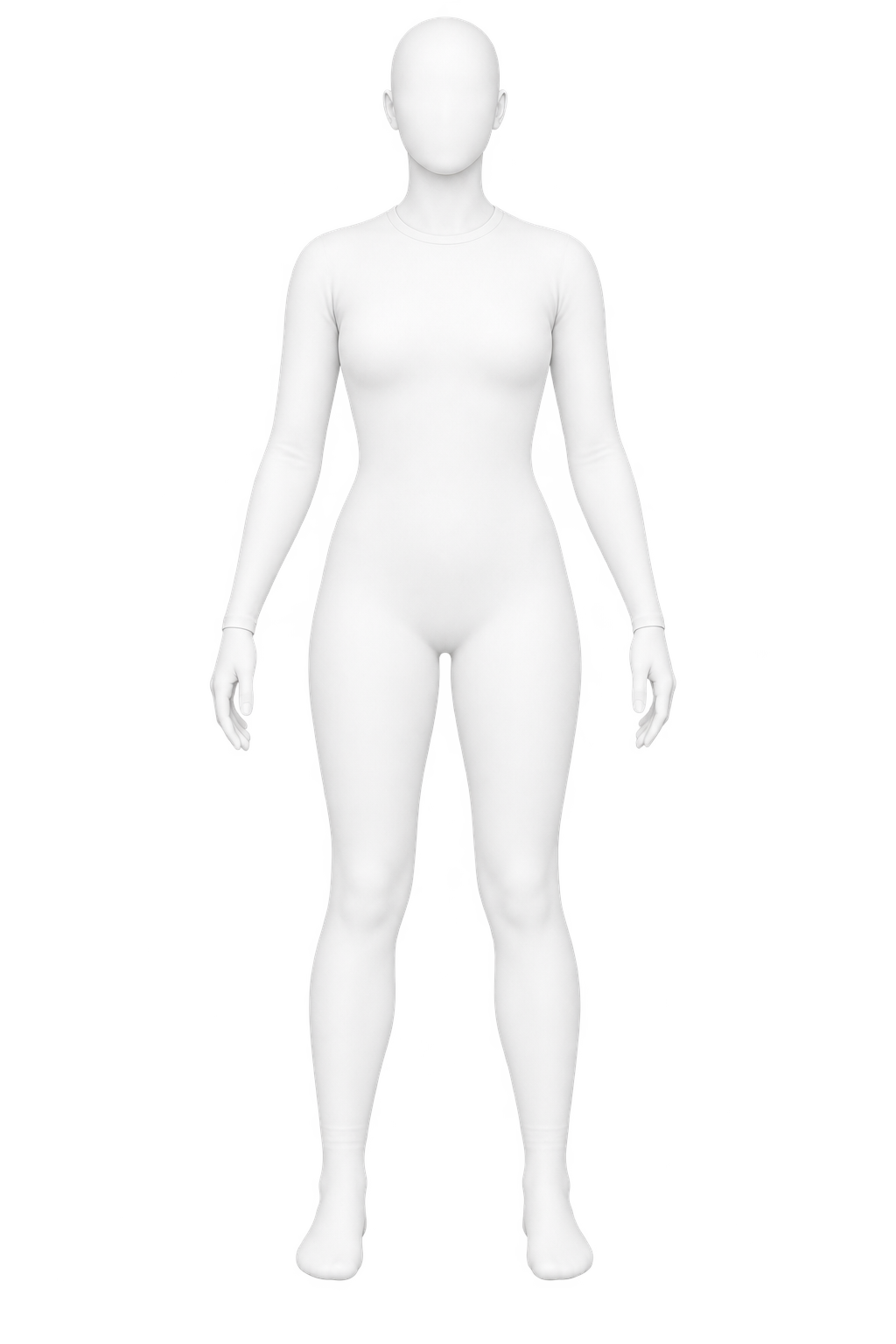
Select a glowing point on the body, or choose a cluster from the list, to see what the system does, how CIRS may affect it, which symptoms may appear, and how the Shoemaker Protocol and B3 Model of Care™ work together.

13 selectable systemsTap any glowing point to explore
SELECTED BODY SYSTEMShoemaker-aligned pathway

Memory, learning & focus

Memory issuesFocus or concentration difficultyWord-retrieval difficultyReduced learning of new information

What this system includes

Attention, working memory, language retrieval, learning, executive-control networks, and the brain’s ability to sequence multistep actions.

What it does for your body

These systems hold information in mind, filter distractions, plan, switch tasks, retrieve words, and remember what must happen next.

How CIRS may affect this pathway

Brain fog and reduced cognitive efficiency can make a complicated protocol feel impossible even when the person fully understands its importance. Instructions may be lost between knowing and doing.

How it may show up day to day

Remembering doses, sequencing protocol steps, learning new information, and initiating tasks can become difficult.

Working memory is the brain’s temporary workspace. If sleep loss, pain, stress, mood, or illness consumes that workspace, even simple instructions can disappear before they are completed. External reminders and fewer simultaneous steps are therefore clinical supports, not shortcuts.

Where the Shoemaker Protocol connects

The Shoemaker pathway addresses exposure and inflammatory signaling; NeuroQuant or other imaging may be considered by qualified clinicians when medically indicated. Imaging is not required to begin practical cognitive support.

How B3 supports this system

This is a central B3 target: reduce cognitive load, externalize memory, create one visible next action, use implementation intentions, simplify medication and appointment systems, and support sleep and brain health so follow-through requires less effort.

The B3 takeaway

Supporting this system is not about asking you to try harder. It is about reducing the biological and cognitive burden so your brain has more capacity to carry out the recovery plan.

02 / THE BIOTOXIN PATHWAY, IN PLAIN LANGUAGE

See the cascade one step at a time

Select each stage to see how an environmental exposure may become a whole-body inflammatory cascade, and why each step can affect the brain and the daily work of recovery.

STAGE 01

Exposure

A person spends time in a water-damaged or otherwise relevant environment. Damp buildings contain complex mixtures that include more than mold; exposure does not affect everyone identically.

Water damage creates an ecological problem: moisture can support fungi, bacteria, actinomycetes, fragments, volatile compounds, and other irritants. Visible mold is not required, and a musty smell alone does not quantify health risk.


Shoemaker pathway connection

Environmental history · qualified building assessment

Primary Shoemaker framework

03 / INTERACTIVE BRAIN RESEARCH EXPLORER

See why brain-first support matters in CIRS recovery

Select a glowing point to learn what that brain system helps you do, how CIRS-related burden may show up in everyday life, and how the B3 Model of Care™ supports the brain that must carry out recovery.

CaudateLower relative volume reported
Emerging

Caudate

Lower relative volume reported

What this brain system helps you do

Learning, action selection, cognitive flexibility, habit formation, and turning an intention into a selected action.

What you may notice along this pathway

Strain in caudate-connected circuits may be experienced as slower initiation, difficulty shifting from one task to another, or needing more effort to begin a familiar routine.

How the B3 Model supports this area

B3 makes initiation easier by shrinking each task, making the first action visible, using consistent cues, and pairing new health behaviors with already-established routines. Brain-health support is chosen around the person’s cognitive and behavioral pattern and coordinated with medical care.

Shoemaker, House, and Ryan (2014)

04 / THE CIRS NEGATIVE FEEDBACK LOOP

When inflammation reduces brain capacity, recovery can become harder to perform.

  1. Exposure or an unresolved triggerA relevant environment or other driver may continue activating biological stress.
  2. Inflammatory signaling persistsImmune, vascular, neuroendocrine, sleep, pain, and energy systems may be affected.
  3. Brain capacity is strainedAttention, working memory, initiation, emotion, and sensory tolerance may become less reliable.
  4. The plan becomes cognitively expensiveHousing, testing, appointments, medication, meals, movement, and finances all compete for limited capacity.
  5. Follow-through becomes inconsistentMissed steps can look like poor motivation even when the person is trying intensely.
  6. Biological strain can continueContinued exposure or inconsistent supports may make the original burden harder to resolve.

This is why behavior is a signal, not a character judgment.

CIRS-related symptoms may increase the mental work required to perform recovery. When the brain is managing poor sleep, pain, uncertainty, sensory strain, and cognitive symptoms, knowing what to do does not guarantee that the brain can organize and repeat it. This loop is a care-framework explanation, not proof that behavior caused CIRS or that every person follows the same cycle.

Research boundary: Human transcriptomic research has reported illness- and treatment-associated changes in gene expression. That is sometimes described informally as “turning off the gene,” but treatment does not change or switch off a person’s DNA. The more accurate idea is reducing ongoing inflammatory signaling and shifting patterns of gene activity associated with the illness state. Ryan et al. (2015)

Behavior may be the visible signal of a brain and body carrying an unusually heavy recovery load.

05 / MEDICAL SEQUENCE + BRAIN-FIRST RECOVERY

The Shoemaker Protocol targets the inflammatory process. B3 supports the brain–behavior system carrying out the plan.

The physician-led pathway works upstream: evaluate competing diagnoses, identify and correct relevant exposure, and use sequenced, biomarker-informed medical treatment to reduce persistent inflammatory signaling. The B3 pathway addresses what the illness may have disrupted downstream, sleep, cognition, nervous-system regulation, nutrition, conditioning, confidence, and the executive capacity needed to complete a complex recovery plan.

Removing or reducing the biological driver does not always mean every downstream function immediately returns to baseline. B3 therefore starts by supporting the brain, the body’s central processor, then integrates biological and behavioral interventions at a level the person can realistically perform. This is coordinated care, not an either-or choice.

PHYSICIAN-LED SHOEMAKER PATHWAY

Reduce the source and inflammatory fire.

  1. 01Differential diagnosis and baseline data
  2. 02Assess the environment
  3. 03End or reduce relevant exposure
  4. 04Use clinician-prescribed binders when indicated
  5. 05Address MARCoNS when confirmed
  6. 06Address anti-gliadin findings only in context
  7. 07Correct elevated MMP-9
  8. 08Address ADH/osmolality abnormalities
  9. 09Address low VEGF
  10. 10Address complement abnormalities
  11. 11Address elevated TGF-β1
  12. 12Consider VIP only at the appropriate final stage and verify stability

Prescription medication, diagnosis, contraindications, and sequencing belong with an appropriately licensed clinician. Heidi recommends Shoemaker Proficiency Partner physicians for protocol-directed medical care. The public evidence base remains developing, and terminology and step counts vary across summaries; treatment should follow the current physician-directed protocol rather than a public checklist.

ELYVATE B3 SUPPORT PATHWAY

Stabilize the processor before demanding peak performance.

  • Find the brain-related barriers: cognition, sleep, sensory burden, pain, mood, stress physiology, and initiation
  • Reduce overload: simplify decisions, pace demands, and create one visible next step
  • Externalize executive function: build medication, appointment, planning, and prospective-memory supports
  • Support recovery capacity: address sleep timing, nervous-system regulation, nutrition, hydration, and movement tolerance
  • Introduce behavior at the right dose: scale new actions to current cognitive and physical capacity
  • Coordinate the biology: translate laboratory and medical information into understandable actions and communicate with the care team
  • Build the positive loop: greater capacity can support greater consistency, which can better support biological recovery

Important: Brain-first support cannot make an unsafe building safe, replace a prescribing physician, or guarantee reversal of injury. It is designed to support recovery from downstream effects and make appropriate medical, environmental, nutritional, and behavioral steps more achievable.

UPSTREAM MEDICAL ROLE

Calm the biological fire

Exposure correction and physician-directed treatment aim to reduce the drivers and inflammatory signaling associated with CIRS.

B3 RECOVERY ROLE

Support what the fire affected

Brain-first care addresses capacity, cognition, regulation, daily function, and the practical behaviors required for recovery.

COORDINATED RESULT

Create conditions for a healthier loop

When the treatment and the brain performing it are both supported, consistent recovery behavior may become more attainable.

SUPPLEMENT EDUCATION + PROFESSIONAL-GRADE OPTIONS

Supplements should support the plan, not replace it.

During CIRS recovery, supplement discussions may focus on documented nutrient needs and supportive areas such as omega-3 intake, antioxidant defenses, mitochondrial function, sleep, or digestive health. Evidence and appropriateness vary by ingredient, formulation, medical history, medication regimen, and treatment stage. Supplements do not diagnose or treat CIRS and do not replace exposure correction or physician-directed Shoemaker Protocol care.

Interested in professional-grade supplements? Visit the Elyvate Wellness Fullscript dispensary and receive 10% off eligible supplement purchases.

Visit the Fullscript Store and Save 10% External destination: Elyvate Wellness Fullscript dispensary. Products are presented for general education and wellness support and are not intended to diagnose, treat, cure, or prevent disease. Purchasing supplements is not required to use this research center or work with Elyvate Wellness. Consult an appropriate licensed healthcare professional before beginning supplements, particularly if you take medications, are pregnant or breastfeeding, have a diagnosed medical condition, or are preparing for surgery. Eligible purchases receive a 10% discount.

06 / WHEN STEP ONE IS THE BIGGEST BARRIER

The hardest part of the protocol may happen before the first prescription.

In the Shoemaker sequence, correcting or avoiding the relevant exposure comes before binder treatment. That can mean inspecting a home, deciding what can be cleaned, arranging remediation, replacing belongings, or relocating. For many people, the financial, cognitive, family, and housing demands are enormous. The 2024 treatment review specifically identifies exposure avoidance, cost, adherence, and medication tolerance as major barriers (Dooley et al., 2024).

Being unable to move or remediate immediately does not mean you are unwilling to recover. It means the recovery plan must account for the environment you actually have, the resources available, and the brain that must make high-stakes decisions while symptomatic.

WHAT THE MEDICAL SEQUENCE REQUIRES

Stop adding fuel where possible.

Published Shoemaker studies found improvement was maintained during exposure avoidance and symptoms returned after controlled re-exposure in those small cohorts (Shoemaker & House, 2005, 2006). This supports taking exposure seriously while recognizing that building assessment and clinical attribution require qualified professionals.

WHY PEOPLE GET STUCK

Step one is also an executive-function project.

It can require comparing inspectors, understanding reports, managing money, sorting possessions, communicating with landlords, remembering appointments, and tolerating uncertainty. Brain fog, fatigue, sleep disruption, pain, and overwhelm can make every one of those tasks harder.

WHAT B3 SUPPORT CAN DO NOW

Create a bridge to medical treatment.

Heidi can help you organize an exposure-reduction plan, prepare questions for qualified indoor-environment professionals, lower cognitive load, build routines, and support sleep, nutrition, regulation, and brain health while you work toward safer conditions. Elyvate Wellness does not inspect, remediate, or certify a building as safe.

About cholestyramine and other prescription steps

The published Shoemaker pathway places exposure correction before clinician-prescribed binders such as cholestyramine. Do not start, stop, or change a prescription based on this website. A Shoemaker-trained licensed prescriber should decide when exposure has been addressed sufficiently, whether a binder is appropriate, and how medication risks and interactions will be monitored.

07 / THE BIOBEHAVIORAL BLUEPRINT™

A protocol tells you what the steps are. Your Blueprint helps determine how you can carry them out.

A BioBehavioral Blueprint™ integrates the information that a general checklist cannot: relevant laboratory findings, biology and symptom patterns, brain-behavior barriers, dietary needs and preparedness, sleep, stress regulation, cognitive capacity, current exposure constraints, health history, readiness, and available resources.

The result is a sequenced wellness-support plan. Brain-related barriers are addressed first so remembering, planning, deciding, regulating, and initiating become less burdensome. Biological and behavioral supports are then layered in at a pace the person can realistically sustain, while diagnosis, prescriptions, environmental decisions, and medical monitoring remain with the appropriate licensed professionals.

01Biology

Labs, symptoms, medical information, exposure context, sleep, nutrition, and recovery capacity.

02Brain

Cognition, prospective memory, sensory load, emotional regulation, initiation, and decision fatigue.

03Behavior

Routines, environment, implementation intentions, adherence supports, pacing, and feedback.

Sequenced plan

Fewer competing demands, clearer priorities, and actions designed for current capacity, not an idealized patient.

Explore your next step

08 / WHY A COORDINATED TEAM MATTERS

A physician can direct treatment. Recovery also has to work in real life.

Shoemaker-trained physician

Evaluates alternatives, determines whether CIRS criteria are met, orders and interprets testing, prescribes medication, monitors safety, and sequences medical treatment.

B3 recovery support

Examines cognitive load, memory, sleep, stress regulation, nutrition, environment, behavior design, readiness, and practical barriers to carrying out the plan.

Coordinated recovery

Medical treatment and brain-first implementation support inform each other. The person receives both clinical direction and a plan scaled to current capacity.

Elyvate Wellness does not replace emergency care, primary care, environmental professionals, mental-health care, or a prescribing physician.

09 / SEARCHABLE RESEARCH LIBRARY

Follow the evidence to its source

Explore the studies that help explain CIRS, water-damaged-building exposure, inflammation, brain effects, treatment pathways, and the cognitive science behind B3 brain-first support. Each paper includes a brief explanation of why it matters.

36verified records
1997–2025foundational to current
5evidence lanes
Human · animal · reviewstudy context shown

Showing 36 of 36 records

  1. 1997

    Shoemaker, R. C. (1997). Diagnosis of Pfiesteria-human illness syndrome. Maryland Medical Journal, 46, 521–523.

    Why it matters: An early clinical description that helped establish the symptom-and-exposure framework later developed into CIRS. Historical and hypothesis-generating rather than contemporary diagnostic validation.
    DOI / stable source
  2. 1998

    Grattan, L. M., Oldach, D., Perl, T. M., et al. (1998). Learning and memory difficulties after environmental exposure to waterways containing toxin-producing Pfiesteria or Pfiesteria-like dinoflagellates. The Lancet, 352(9127), 532–539.

    Why it matters: Documented neurocognitive findings following an environmental exposure. It concerns estuarine exposure, not water-damaged-building CIRS.
    DOI / stable source
  3. 2001

    Shoemaker, R. C., & Hudnell, H. K. (2001). Possible estuary-associated syndrome: Symptoms, vision, and treatment. Environmental Health Perspectives, 109(5), 539–545.

    Why it matters: Five cases connecting symptoms, visual contrast sensitivity, exposure history, and cholestyramine response. Small case evidence and not specific to buildings.
    DOI / stable source
  4. 2001

    Shoemaker, R. C. (2001). Residential and recreational acquisition of possible estuary-associated syndrome: A new approach to successful diagnosis and treatment. Environmental Health Perspectives, 109(Suppl. 5), 791–796.

    Why it matters: Early description of exposure-associated illness and treatment response; foundational to the later clinical framework.
    DOI / stable source
  5. 2003

    Gray, M. R., Thrasher, J. D., Crago, R., et al. (2003). Mixed mold mycotoxicosis: Immunological changes in humans following exposure in water-damaged buildings. Archives of Environmental Health, 58(7), 410–420.

    Why it matters: Compared immunologic and symptom findings in mold-exposed adults. Exposure attribution and selection methods limit causal interpretation.
    DOI / stable source
  6. 2005

    Shoemaker, R. C., & House, D. E. (2005). A time-series study of sick building syndrome: Chronic, biotoxin-associated illness from exposure to water-damaged buildings. Neurotoxicology and Teratology, 27(1), 29–46.

    Why it matters: Followed 21 volunteers through treatment, exposure avoidance, re-exposure, and retreatment. Participants were not randomly selected and the study was not double-blinded.
    DOI / stable source
  7. 2006

    Shoemaker, R. C., & House, D. E. (2006). Sick building syndrome and exposure to water-damaged buildings: Time series study, clinical trial and mechanisms. Neurotoxicology and Teratology, 28(5), 573–588.

    Why it matters: Included a 26-person time series and a 13-person double-blind placebo-controlled cholestyramine component. Valuable direct evidence, but small and from one clinical research group.
    DOI / stable source
  8. 2009

    World Health Organization. (2009). WHO guidelines for indoor air quality: Dampness and mould.

    Why it matters: Authoritative review supporting prevention and remediation of persistent dampness and microbial growth, especially for respiratory and allergic health risks. It does not validate every CIRS-specific biomarker claim.
    DOI / stable source
  9. 2010

    Shoemaker, R. C., House, D., & Ryan, J. C. (2010). Defining the neurotoxin derived illness chronic ciguatera using markers of chronic systemic inflammatory disturbances: A case/control study. Neurotoxicology and Teratology, 32(6), 633–639.

    Why it matters: Compared 59 chronic-ciguatera cases with 59 controls using symptoms, VCS, HLA, and inflammatory measures. This is biotoxin-related evidence, not direct WDB-CIRS evidence.
    DOI / stable source
  10. 2011

    Mendell, M. J., Mirer, A. G., Cheung, K., Tong, M., & Douwes, J. (2011). Respiratory and allergic health effects of dampness, mold, and dampness-related agents: A review of the epidemiologic evidence. Environmental Health Perspectives, 119(6), 748–756.

    Why it matters: Strong broader evidence associating indoor dampness and mold with respiratory and allergic outcomes. Broader health evidence should not be conflated with proof of the entire CIRS model.
    DOI / stable source
  11. 2012

    Zogg, J. B., Woods, S. P., Sauceda, J. A., Wiebe, J. S., & Simoni, J. M. (2012). The role of prospective memory in medication adherence: A review of an emerging literature. Journal of Behavioral Medicine, 35(1), 47–62.

    Why it matters: Supports the B3 focus on prospective memory: remembering to carry out a future action is meaningfully related to medication adherence. The review is not CIRS-specific and intervention evidence was still emerging.
    DOI / stable source
  12. 2013

    Shoemaker, R. C., House, D., & Ryan, J. C. (2013). Vasoactive intestinal polypeptide (VIP) corrects chronic inflammatory response syndrome acquired following exposure to water-damaged buildings. Health, 5(3), 396–401.

    Why it matters: Twenty refractory patients received intranasal VIP for at least 18 months. Findings are promising but the trial was small, open-label, and not independently replicated at large scale.
    DOI / stable source
  13. 2013

    Hope, J. (2013). A review of the mechanism of injury and treatment approaches for illness resulting from exposure to water-damaged buildings, mold, and mycotoxins. The Scientific World Journal, 2013, 767482.

    Why it matters: Reviews proposed injury pathways and treatments across human, animal, and in-vitro literature; evidence quality varies by mechanism.
    DOI / stable source
  14. 2013

    Amen, D. G., Taylor, D. V., Ojala, K., Kaur, J., & Willeumier, K. (2013). Effects of brain-directed nutrients on cerebral blood flow and neuropsychological testing: A randomized, double-blind, placebo-controlled, crossover trial. Advances in Mind-Body Medicine, 27(2), 24–33.

    Why it matters: Adjacent evidence on cerebral perfusion and cognition in healthy adults; it does not test CIRS, mold exposure, or the Shoemaker Protocol and should not be used as direct CIRS proof.
    DOI / stable source
  15. 2013

    Diamond, A. (2013). Executive functions. Annual Review of Psychology, 64, 135–168.

    Why it matters: Establishes the central roles of working memory, inhibitory control, and cognitive flexibility in goal-directed behavior. This provides general brain-behavior rationale for reducing executive load; it is not evidence that B3 treats CIRS.
    DOI / stable source
  16. 2014

    Shoemaker, R. C., House, D., & Ryan, J. C. (2014). Structural brain abnormalities in patients with inflammatory illness acquired following exposure to water-damaged buildings: A volumetric MRI study using NeuroQuant®. Neurotoxicology and Teratology, 45, 18–26.

    Why it matters: Reported group-level regional volumetric differences in 17 CIRS-WDB patients versus 18 controls. Small observational data cannot diagnose an individual or establish that volume caused symptoms.
    DOI / stable source
  17. 2015

    Ryan, J. C., Wu, Q., & Shoemaker, R. C. (2015). Transcriptomic signatures in whole blood of patients who acquire a chronic inflammatory response syndrome following an exposure to the marine toxin ciguatoxin. BMC Medical Genomics, 8, 15.

    Why it matters: Identified gene-expression patterns in chronic ciguatera. This supports biological investigation of an inflammatory illness state but does not mean treatment changes a person’s DNA.
    DOI / stable source
  18. 2016

    Ryan, J. C., & Shoemaker, R. C. (2016). RNA-Seq on patients with chronic inflammatory response syndrome treated with vasoactive intestinal peptide shows a shift in metabolic state and innate immune functions that coincide with healing. Medical Research Archives, 4(7).

    Why it matters: Reported treatment-associated transcriptomic changes in a small clinical cohort. Without a randomized comparison, temporal change cannot establish that VIP alone caused every observed shift.
    DOI / stable source
  19. 2016

    Berndtson, K., McMahon, S., Ackerley, M., Rapaport, S., Gupta, S., & Shoemaker, R. C. (2016). Medically sound investigation and remediation of water-damaged buildings in cases of CIRS-WDB. Medical Research Archives, 4(1).

    Why it matters: A practice-oriented consensus from clinicians and indoor-environment professionals. Useful for framework implementation, but not an independent clinical guideline or controlled trial.
    DOI / stable source
  20. 2016

    McMahon, S. W., Shoemaker, R. C., & Ryan, J. C. (2016). Reduction in forebrain parenchymal and cortical grey matter swelling across treatment groups in patients with inflammatory illness acquired following exposure to water-damaged buildings. Journal of Neuroscience and Clinical Research, 1, 1–4.

    Why it matters: Reported longitudinal NeuroQuant changes across treatment groups. Interpretation is limited by observational design and the need for independent replication.
    DOI / stable source
  21. 2016

    Gunn, S. R., Gunn, G. G., & Mueller, F. W. (2016). Reversal of refractory ulcerative colitis and severe chronic fatigue syndrome symptoms arising from immune disturbance in an HLA-DR/DQ genetically susceptible individual with multiple biotoxin exposures. American Journal of Case Reports, 17, 320–325.

    Why it matters: A single complex case involving multiple simultaneous interventions. It cannot establish general effectiveness or isolate which component produced improvement.
    DOI / stable source
  22. 2016

    Bredesen, D. E. (2016). Inhalational Alzheimer’s disease: An unrecognized and treatable epidemic. Aging, 8(2), 304–313.

    Why it matters: Proposes a toxin-associated cortical Alzheimer’s subtype using clinical cases and a mechanistic framework. It is hypothesis-generating and does not establish that mold causes Alzheimer’s disease in the general population.
    DOI / stable source
  23. 2017

    Shoemaker, R. C., Katz, D., Ackerley, M., Rapaport, S., McMahon, S., Berndtson, K., & Ryan, J. (2017). Intranasal VIP safely restores volume to multiple grey matter nuclei in patients with CIRS. Internal Medicine Review, 3(3), 1–14.

    Why it matters: Reports imaging and clinical change after VIP. Open-label design, specialized clinic sampling, and limited independent replication require caution.
    DOI / stable source
  24. 2017

    McMahon, S. W. (2017). An evaluation of alternate means to diagnose chronic inflammatory response syndrome and determine prevalence. Medical Research Archives, 5(5), 1–17.

    Why it matters: Evaluates a proposed case definition and screening combinations. External validation in independent populations remains important.
    DOI / stable source
  25. 2018

    Shoemaker, R. C., Johnson, K., Jim, L., Berry, Y., Dooley, M., & Ryan, J. (2018). Diagnostic process for chronic inflammatory response syndrome: A consensus statement report of the consensus committee of Surviving Mold. Internal Medicine Review, 4(5), 1–47.

    Why it matters: Defines the Shoemaker community’s diagnostic framework. It is a specialty-group consensus, not an independent society guideline, and individual markers are not diagnostic alone.
    DOI / stable source
  26. 2018

    Ratnaseelan, A. M., Tsilioni, I., & Theoharides, T. C. (2018). Effects of mycotoxins on neuropsychiatric symptoms and immune processes. Clinical Therapeutics, 40(6), 903–917.

    Why it matters: Reviews immune and neuropsychiatric pathways across mixed evidence. It supports biological plausibility, not a CIRS diagnosis or individual causal attribution.
    DOI / stable source
  27. 2018

    Rea, W. J. (2018). A large case-series of successful treatment of patients exposed to mold and mycotoxin. Clinical Therapeutics, 40(6), 889–893.

    Why it matters: Describes clinical treatment experience but lacks the controls needed to determine efficacy or separate treatment effects from exposure reduction and other factors.
    DOI / stable source
  28. 2020

    Harding, C. F., Pytte, C. L., Page, K. G., et al. (2020). Mold inhalation causes innate immune activation, neural, cognitive and emotional dysfunction. Brain, Behavior, and Immunity, 87, 218–228.

    Why it matters: Controlled mouse research linked mold-spore exposure with hippocampal immune activation, reduced neurogenesis, and behavioral changes. Animal findings cannot be assumed to occur identically in humans or prove CIRS.
    DOI / stable source
  29. 2020

    Hyvönen, S., Lohi, J., & Tuuminen, T. (2020). Moist and mold exposure is associated with high prevalence of neurological symptoms and multiple chemical sensitivity in a Finnish hospital workers cohort. Safety and Health at Work, 11(2), 173–177.

    Why it matters: Observed neurological symptoms among workers in a moisture-damaged setting. Association, self-report, and occupational context limit causal and diagnostic conclusions.
    DOI / stable source
  30. 2020

    Nordin, S. (2020). Mechanisms underlying nontoxic indoor air health problems: A review. International Journal of Hygiene and Environmental Health, 226, 113489.

    Why it matters: Reviews multiple physiological and perceptual mechanisms that may contribute to indoor-air symptoms; reinforces the importance of differential diagnosis and avoiding a single-cause assumption.
    DOI / stable source
  31. 2021

    Shoemaker, R. C., Neil, V., Heyman, A., et al. (2021). Newer molecular methods bring new insights into human- and building-health risk assessments from water-damaged buildings: Defining exposure and reactivity, the two sides of causation of CIRS-WDB illness. Medical Research Archives, 9(2), 1–36.

    Why it matters: Synthesizes transcriptomic and environmental testing approaches within the Shoemaker framework. Proposed diagnostic uses require independent prospective validation.
    DOI / stable source
  32. 2022

    Lin, H., Yu, P., Yang, M., Wu, D., Wang, Z., An, J., Duan, H., & Deng, N. (2022). Making specific plan improves physical activity and healthy eating for community-dwelling patients with chronic conditions: A systematic review and meta-analysis. Frontiers in Public Health, 10, 721223.

    Why it matters: Across 54 studies, specific action planning produced small improvements in physical activity and dietary behavior. This supports implementation intentions in a Blueprint, but it does not test CIRS or the proprietary B3 model.
    DOI / stable source
  33. 2023

    Harding, C. F., Liao, D., Persaud, R., et al. (2023). Differential effects of exposure to toxic or nontoxic mold spores on brain inflammation and Morris water maze performance. Behavioural Brain Research, 442, 114294.

    Why it matters: Found task-dependent memory and hippocampal inflammatory findings in male mice. This is mechanistic support, not direct human CIRS evidence.
    DOI / stable source
  34. 2024

    Dooley, M., Vukelic, A., & Jim, L. (2024). Chronic inflammatory response syndrome: A review of the evidence of clinical efficacy of treatment. Annals of Medicine & Surgery, 86, 7248–7254.

    Why it matters: Catalogued 13 CIRS-treatment articles and identified major cost, adherence, and medication-tolerance barriers. The authors state that it was not a systematic review, and much of the evidence comes from one research group.
    DOI / stable source
  35. 2025

    Dooley, M. (2025). Biomarkers over time: From visual contrast sensitivity to transcriptomics in differentiating chronic inflammatory response syndrome and ME/CFS. International Journal of Molecular Sciences, 26(15), 7284.

    Why it matters: A recent review of CIRS biomarker development and differentiation claims. It is useful for mapping the field while independent diagnostic-validation evidence remains limited.
    DOI / stable source
  36. 2025

    Dooley, M., & McMahon, S. W. (2025). Fatigue and exposure to mold and/or dampness: A systematic review of the literature from 2011–2018. Environmental Analysis, Health and Toxicology, 40(3).

    Why it matters: Synthesizes evidence connecting dampness or mold exposure with fatigue while highlighting heterogeneity in exposure methods and illness definitions.
    DOI / stable source

10 / CHOOSE YOUR NEXT STEP

Begin where you are, not where you think you should be.

If the environment, the science, and the protocol feel like too much to hold at once, the next step is not a more demanding checklist. It is choosing the level of guidance that helps you organize the biology, support the brain, and turn the plan into achievable behavior.

EXPLORE

Not sure whether CIRS fits?

Use the free CIRS assessment to organize symptoms and questions. Results are educational and do not provide a diagnosis.

Take the Free CIRS Assessment
DISCUSS

Need help making sense of your situation?

Schedule a 30-minute CIRS consultation with Heidi to discuss your history, current barriers, and the most appropriate next step.

Schedule a CIRS Consultation
BEGIN

Ready to build recovery capacity?

Explore the CIRS Recovery Protocol and brain-first B3 support designed to make a complex medical and environmental plan more manageable.

Explore the CIRS Recovery Protocol
Education, not diagnosis or medical treatment

This site does not determine whether you have CIRS, interpret individual laboratory or imaging results, or create a personal treatment plan. Seek licensed medical evaluation for new, severe, urgent, or unexplained symptoms. Sudden confusion, weakness, breathing difficulty, chest pain, fainting, seizure, suicidal thoughts, or other emergency symptoms require immediate care.